Best Tango Bars and Milongas in Buenos Aires
Discover the best tango bars and milongas in Buenos Aires for beginners, experienced dancers, live music and an authentic local night out.
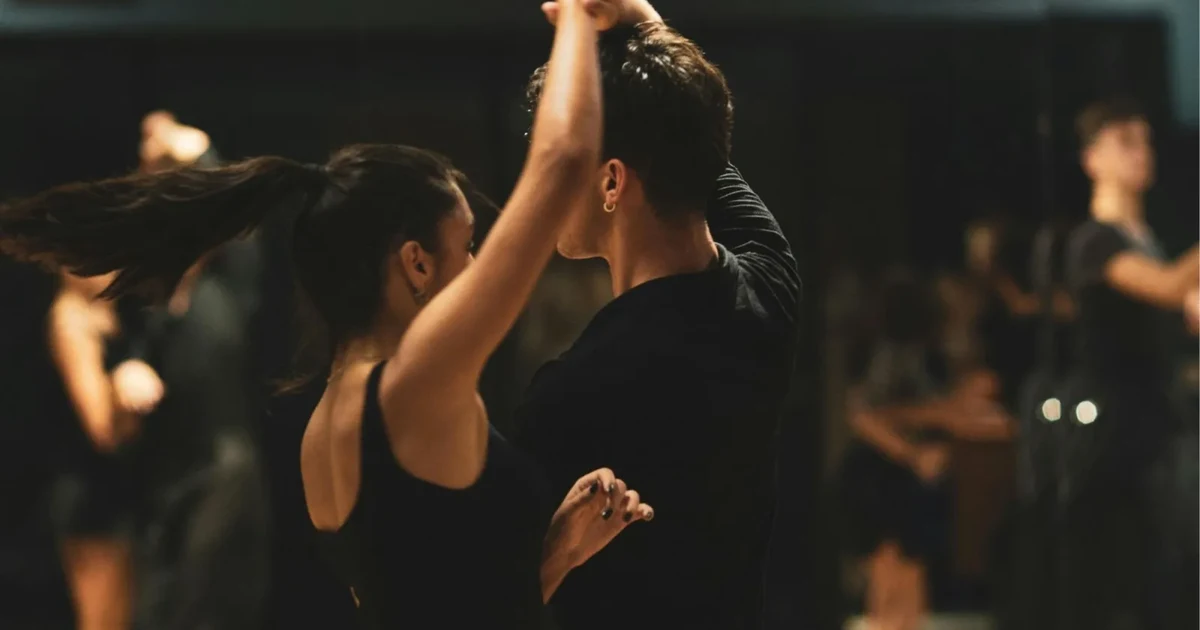
Buenos Aires tango is not confined to theatre stages. On any given night, couples are dancing in neighbourhood clubs, old ballrooms, cultural centres and open-air bandstands. Elsewhere, singers perform metres from the audience in bars that feel largely unchanged by time.
These places offer a very different experience from a commercial tango show. You may not see dramatic lighting, rapid costume changes or a three-course dinner. Instead, you see how tango functions as a living social culture: people greeting regular partners, inviting each other to dance with a glance and moving anticlockwise around a crowded floor.
The best choice depends on what you want to do. La Viruta is approachable for a first lesson, El Beso offers a more traditional social-dance atmosphere, La Catedral Club feels informal and bohemian, and El Boliche de Roberto is better for listening to singers over a drink than for joining a formal milonga.
This guide covers both milongas for dancing and tango bars for live music, with practical advice for visitors who simply want to watch. If you would rather book a guided first night at a real milonga, with a lesson included, see the option below.
Check Availability
Best Buenos Aires tango bars and milongas at a glance
| Venue | Area | Best for | General atmosphere |
|---|---|---|---|
| La Viruta Tango Club | Palermo | First-time visitors and lessons | Large, lively and accessible |
| El Beso | Balvanera | Traditional social tango | Intimate and dance-focused |
| Salón Canning | Palermo | Classic ballroom atmosphere | Polished and established |
| La Catedral Club | Almagro | Bohemian tango night | Alternative and informal |
| Lo de Celia | San Cristóbal | Neighbourhood milonga | Traditional and low-key |
| La Glorieta de Belgrano | Belgrano | Outdoor tango | Relaxed and community-led |
| Bar Los Laureles | Barracas | Historic bar and live tango | Old Buenos Aires atmosphere |
| El Boliche de Roberto | Almagro | Tango singers and drinks | Tiny, rustic and intimate |
| Torquato Tasso | San Telmo | Seated live-music concerts | Professional and music-led |
| Bar Sur | San Telmo | Small traditional show | Intimate but visitor-oriented |
Schedules, organisers and door arrangements can change from one night to another. Check the venue’s current page or a daily tango calendar before travelling. If you can choose your month, the city’s tango festival and world championship, mostly free, run in late August; our guide to the best time to see tango in Buenos Aires has the dates. If navigating the cabeceo and tanda system alone feels daunting on a first night, a small-group tango night with a lesson and transfers takes you to a real local milonga with the etiquette already explained.
What is a milonga?
“Milonga” has three related meanings. It can describe:
- A social event where people dance Argentine tango
- The venue or club hosting that event
- A faster, rhythmically lively style of music and dance played during the evening
For a visitor, the simplest definition is a social tango night. A DJ plays recorded music in sets, couples dance and the floor follows established customs. Some events add live orchestras, demonstration dances or a class beforehand.
A milonga is not the same as a staged tango show. The dancers are usually guests rather than a cast, and the purpose is participation. The most impressive person on the floor may be an older local dancing with remarkable subtlety rather than a performer executing high kicks for an audience.
You can still attend without dancing, provided the venue welcomes spectators and you respect the space. Order a drink, keep conversation quiet near the floor and do not treat dancers as exhibits to be filmed at close range.
Milonga vs tango show vs tango bar
| Experience | Main purpose | Who performs? | Can visitors dance? | Typical format |
|---|---|---|---|---|
| Milonga | Social dancing | Guests, sometimes invited artists | Yes | Several hours with DJ tandas |
| Tango show | Entertainment | Professional cast | Usually no | Fixed 60–100 minute performance |
| Tango bar | Drinks and live music | Singers or musicians | Sometimes | Informal sets or small concert |
| Tango class and práctica | Learning | Teachers and students | Yes | Lesson followed by practice |
Choose a commercial show if you want guaranteed professional choreography and comfortable viewing — our comparison of all eight tango shows covers that side. Choose a milonga if you want to participate or observe real social tango. Choose a music bar when your priority is hearing tango sung and played in an intimate room.
The best milongas in Buenos Aires
1. La Viruta Tango Club: best for first-time visitors
Address: Armenia 1366, Palermo Best for: Beginners, mixed groups and visitors who want a class before dancing
La Viruta is one of the easiest entry points into the Buenos Aires tango scene. It operates as a school, milonga and cultural meeting place, drawing locals, international dancers and curious visitors. Its official programme combines classes for different levels with social dancing, and live tango is a regular feature on selected nights.
The atmosphere is generally less intimidating than at a small traditional milonga. You will see a wide spread of ages and abilities, and bilingual teaching makes the first class manageable even if your Spanish is limited.
The evening often changes character as it gets later. Early sessions are more accessible to learners; experienced dancers and night owls tend to stay well beyond midnight.
Choose La Viruta if:
- You have never danced tango.
- You want a lesson and milonga in the same place.
- You are attending with a non-dancing friend.
- You prefer a large, energetic room.
- You want a relatively relaxed dress code.
Check which dance is being taught on your chosen night. La Viruta’s broader programme can also include salsa, rock or other social dances. Our guide to the best tango classes and workshops compares La Viruta’s classes with the schools and private lessons.
2. El Beso: best traditional milonga experience
Address: Riobamba 416, Balvanera Best for: Visitors who want to see or join classic Buenos Aires social tango
El Beso is a compact, well-known tango salon with milongas and classes throughout the week. Different organisers host events at different times, so the crowd and tone can shift between an afternoon milonga and a late-night session.
The room encourages the traditional invitation system known as the cabeceo: dancers make eye contact across the tables, indicate an invitation with a small nod and meet at the edge of the floor. Seating and sightlines therefore matter more here than in a casual dance hall.
El Beso suits dancers who appreciate tango etiquette and a close, controlled floor. Complete beginners may feel more comfortable taking a class first or visiting with someone who understands milonga customs.
Choose El Beso if:
- You want a dance-centred evening rather than a tourist attraction.
- You are interested in traditional floor craft and etiquette.
- You prefer an intimate salon.
- You want daytime as well as evening possibilities.
- You already dance or are willing to learn the basic conventions.
Non-dancers can watch, but the venue is designed around participation. Reserve or ask about spectator seating rather than assuming a clear view from any table.
3. Salón Canning: best classic ballroom setting
Address: Avenida Scalabrini Ortiz 1331, Palermo Best for: An established salon atmosphere and experienced social dancers
Salón Canning is one of the best-known names in Buenos Aires tango. The long rectangular floor, tables around the edge and elegant social atmosphere are close to what many visitors imagine when they hear “Buenos Aires milonga.”
It is important to understand that the salon is a venue, while individual milongas are run by different organisers. Names, nights and schedules can change. Famous events such as Parakultural have been associated with Canning, but you should verify the current location rather than relying on an old guide.
Depending on the event, the evening may include a class, DJ-led dancing, an invited orchestra or a professional demonstration.
Choose Salón Canning if:
- You want a classic tango-salon setting.
- Watching skilled social dancers is a priority.
- You already know the basics of floor navigation.
- You are comfortable with a smarter, more traditional atmosphere.
- You have checked the specific organiser and programme for that night.
The event matters as much as the address. Read the current listing to understand the likely crowd, music policy and start time.
4. La Catedral Club: best bohemian milonga
Address: Sarmiento 4006, Almagro Best for: Casual visitors, alternative atmosphere and beginner classes
La Catedral Club looks nothing like a formal tango ballroom. The high-roofed former industrial space is filled with art, mismatched furniture and a deliberately unpolished character. Its current programme runs from Tuesday to Saturday, with tango classes from early evening and later activity in the main hall.
This is one of the better choices for travellers who are curious about tango but put off by formal codes. Clothing is casual, the crowd is mixed and the room works as a cultural venue as much as a traditional milonga. A plant-based or vegetarian-leaning food offering has also long been part of its identity, although menus change.
Choose La Catedral if:
- You prefer alternative cultural spaces to formal salons.
- You want to take an early class.
- Your group includes both dancers and non-dancers.
- You are looking for food, music and dancing in one relaxed venue.
- You value atmosphere more than polished service.
Some travellers love its rough-edged charm; others find it disorganised. Arrive with the right expectation: it is a characterful night out, not a luxury tango house.
5. Lo de Celia: best neighbourhood milonga
Address: Humberto Primero 1783, San Cristóbal Best for: A smaller, traditional and less tourist-oriented room
Lo de Celia offers a more local experience than the headline venues in Palermo and San Telmo. It is known for a warm, traditional atmosphere and events organised around social dancing rather than spectacle.
This is a good choice for dancers who want to move beyond the best-known visitor circuit. The smaller room can feel personal and welcoming, but it also makes etiquette and considerate floorcraft important.
Choose Lo de Celia if:
- You already dance tango socially.
- You want a neighbourhood rather than nightlife-district setting.
- You prefer an earlier or quieter milonga when available.
- You are interested in a traditional crowd and music selection.
Check the daily listing carefully. As with many Buenos Aires salons, the event name, organiser and hours are more useful than the venue name alone.
6. La Glorieta de Belgrano: best outdoor tango
Location: Barrancas de Belgrano, near Echeverría and the Belgrano C station Best for: A relaxed community experience in good weather
La Glorieta turns a circular bandstand in Barrancas de Belgrano into an open-air dance floor. Tango has been danced here for decades, and the setting feels more like a neighbourhood gathering than a night at a club.
It is especially appealing if you want to watch without committing to a full late-night milonga. The outdoor location, mixed ability levels and informal clothing make it accessible. Some sessions include an open class before social dancing.
Choose La Glorieta if:
- You want a casual outdoor experience.
- You are travelling on a limited budget.
- You prefer early evening to the small hours.
- You want to see tango as part of neighbourhood life.
Outdoor events depend on weather and local scheduling. Verify the session on the day, particularly after rain or during cold periods.
Best tango bars and live-music venues
7. Bar Los Laureles: best historic tango bar
Address: Avenida General Iriarte 2290, Barracas Best for: Old Buenos Aires atmosphere, food and live tango
Los Laureles has more than 130 years of history and retains the tiled floors, old fittings, photographs and neighbourhood character of a classic Buenos Aires bar. It is officially recognised among the city’s notable bars and has long been associated with tango.
Its appeal is not a perfectly choreographed production. It is the combination of a historic room, straightforward food, singers, musicians and space for dancing. Current programming commonly concentrates on the end of the week, but you should reserve and confirm what is happening on your chosen night.
Choose Los Laureles if:
- You want dinner in a historic neighbourhood bar.
- Live singing interests you more than acrobatic dance.
- You are prepared to travel beyond the central tourist districts.
- You want a social, unvarnished tango atmosphere.
Barracas is south of the areas where most visitors stay. Arrange your return transport rather than depending on finding the same options as in Palermo or Microcentro late at night.
8. El Boliche de Roberto: best tiny tango bar
Address: Bulnes 331, Almagro Best for: Close-up singers, a drink and a bar that feels rooted in the neighbourhood
El Boliche de Roberto is small, old and wonderfully direct. Bottles line the wooden bar, a Carlos Gardel mural marks the exterior and singers perform at close range. It feels closer to an informal musical gathering than a theatre.
Come here to listen rather than to expect a dance floor or a complete dinner show. Space is limited, seating can be tight and the evening may run according to the musicians rather than a polished tourist timetable.
Choose El Boliche de Roberto if:
- You enjoy intimate, low-production live music.
- You are happy with a rustic local bar.
- Tango singing matters more than dance choreography.
- You do not need a full restaurant menu or luxury service.
It pairs well with an evening in Almagro, but confirm current opening and music times through the bar’s official social account.
9. Centro Cultural Torquato Tasso: best for serious live tango music
Address: Defensa 1575, San Telmo Best for: Professional concerts in a seated cultural venue
Torquato Tasso is one of the city’s respected live tango spaces. Major singers, orchestras and musicians have appeared on its stage, and the programme extends beyond the standard tourist-show format.
This is the right choice when you want to listen closely to a named artist or ensemble. It is more concert venue than social milonga, so check the calendar and book for the specific performance. Food and drinks are available, but the artistic programme should drive your decision.
Choose Torquato Tasso if:
- Live music is your priority.
- You want to see established contemporary tango artists.
- You prefer a seated concert to a social dance floor.
- You are comfortable choosing by performer rather than by generic “tango night.”
10. Bar Sur: best intimate traditional show in a bar setting
Address: Estados Unidos 299, San Telmo Best for: Visitors who want a small show rather than a milonga
Open since 1967, Bar Sur is a historic San Telmo café-concert associated with tango, singing and dance. Its format is more organised and visitor-facing than El Boliche de Roberto, but the compact room creates closer contact with the artists than a large dinner theatre.
Bar Sur belongs in a tango-bar list, but not in a ranking of social milongas. Attend to watch the performers, not to spend the night dancing with local partners.
Choose Bar Sur if:
- You want an intimate staged performance.
- You are staying in San Telmo.
- A large commercial theatre feels impersonal.
- You want recognisable tango music and dance without a huge production.
Which venue is best for your first milonga?
For most complete beginners, La Viruta is the safest starting point. Take an early class, stay for the social dancing and observe how the room works before joining the floor. If you would rather have the whole evening arranged — pickup, a lesson and an experienced guide at your side on the floor — the small-group tango night with lesson and transfers covers the same ground with less to figure out alone.
Choose La Catedral Club if atmosphere and informality matter more than formal tango tradition. Choose La Glorieta for a low-pressure outdoor introduction when the weather is good.
El Beso, Lo de Celia and traditional nights at Salón Canning can be rewarding for new visitors, but they are easier when you already understand tandas, the line of dance and the cabeceo.
Can you go to a milonga if you cannot dance?
Yes, but select the venue carefully.
A large or mixed-use venue such as La Viruta or La Catedral gives non-dancers more space to sit, eat, drink and watch. An outdoor session at La Glorieta is also easy to observe casually.
At a compact traditional salon, tables are part of the invitation system and seats may be limited. Contact the organiser if you want to attend only as a spectator. Some events welcome this; others understandably prioritise dancers.
If you want guaranteed entertainment while seated, a small live-music venue or professional tango show is the better choice.
Buenos Aires milonga etiquette for visitors
Milonga rules can seem complicated, but they are designed to make a busy shared floor work smoothly.
Learn the cabeceo
Invitations are traditionally made through eye contact and a small nod. This allows either person to decline simply by looking away. Do not cross the room and pressure someone into dancing.
Practices vary, and direct invitations are more common in informal or international settings. Watch how the particular room works.
Dance a full tanda
Music is usually organised into tandas, commonly three or four songs by the same orchestra or in the same style. Partners normally dance the complete set.
A short piece of non-tango music called a cortina separates the tandas. That is the moment to thank your partner and return to your seat.
Follow the line of dance
Couples move anticlockwise in lanes around the floor. Avoid overtaking, moving backwards without checking or cutting across the centre. Leaders should enter the floor carefully and acknowledge nearby dancers.
On a crowded Buenos Aires floor, compact and musical dancing is valued more than large dramatic movements.
Keep show steps off the social floor
High kicks, jumps and wide leg movements are dangerous in a milonga. Stage tango is designed for performers with clear space; social tango adapts to the room.
Respect personal boundaries
An invitation is only an invitation to dance. Either person can decline or end the tanda. A close embrace is common, but the exact distance should be mutually comfortable.
Do not teach on the floor
Unrequested instruction is poor etiquette and blocks traffic. Save practice and explanations for a class or práctica.
Ask before filming identifiable dancers
A wide room shot may be accepted at some venues, but close filming can intrude on a social event. Follow the organiser’s rules and do not use a bright light or flash near the floor.
What should you wear to a Buenos Aires milonga?
Dress depends on the venue and event.
- Traditional salon: smart evening clothes are a safe choice.
- La Viruta: neat but generally relaxed.
- La Catedral: casual and individual.
- Outdoor milonga: comfortable clothes suited to the weather.
- Tango bar: smart casual unless the event states otherwise.
Dancers need secure shoes that pivot without gripping the floor too aggressively. Beginners do not need to buy specialist tango shoes for one class. Clean, comfortable shoes with a stable heel and a smooth sole are usually enough.
Avoid flip-flops, heavy trainers with sticky soles and anything likely to come off while turning. Our what-to-wear guide covers the equivalent dress codes for the ticketed shows.
When should you arrive?
Arrive for the class if you are a beginner. It gives you a practical introduction and makes the room feel less unfamiliar once social dancing starts.
For the milonga alone, check local habits. Buenos Aires nightlife runs late, and a listing’s opening time may be much earlier than its busiest period. Arriving early offers more space and a calmer floor; arriving after midnight can provide greater energy but less room to dance.
Afternoon milongas are an excellent alternative for travellers who do not want to return to their hotel at 3 a.m.
How much does a milonga cost?
Admission is generally far cheaper than a professional dinner show. You normally pay an entry fee and buy food or drinks separately. Classes may be included, discounted with admission or charged on top.
Prices in Argentina can change quickly, so a fixed figure becomes outdated fast. Check the organiser’s latest post and carry more than one payment method. Some smaller events still handle admission in cash even when the bar accepts cards or digital payments.
Free or contribution-based outdoor sessions exist, but supporting the organisers and teachers helps keep them running.
How to find the correct milonga schedule
Do not rely on a months-old blog post. Buenos Aires milongas can change venue, organiser, weekday or start time.
Use this order:
- Check a current daily calendar such as Hoy Milonga.
- Identify the event name and organiser — not only the building.
- Confirm the latest post on the organiser’s official social page.
- Check whether a class, live orchestra or exhibition is scheduled.
- Reserve if the event requests it.
- Confirm the address again before leaving.
The Association of Milonga Organisers and the City of Buenos Aires also publish directories and maps, but a same-day organiser update should take priority for immediate planning.
Safety and late-night transport
Use the same precautions you would for nightlife in any large city:
- Carry only what you need.
- Keep your phone and wallet secure.
- Arrange your return before a very late finish.
- Wait for a taxi or car inside when possible.
- Share your journey details if travelling alone.
- Confirm unfamiliar locations rather than following an old address.
The famous tango venues are spread across several neighbourhoods. A club that looks close on a city map may still require a late-night car journey from your hotel. Our hotel packages and transfers guide covers pickup and drop-off arrangements for the ticketed shows, though most milongas do not offer bundled transport.
Frequently asked questions
What is the most beginner-friendly milonga in Buenos Aires?
La Viruta is the most straightforward choice for many first-time visitors because it combines multi-level classes with an accessible social atmosphere. La Catedral is a more alternative option.
What is the best traditional milonga?
El Beso and events at Salón Canning are strong places to experience classic salon culture. The best choice depends on the organiser and programme that night.
Where can I watch tango without taking a class?
Try a mixed venue such as La Viruta, an outdoor session at La Glorieta, or a live-music bar. For guaranteed clear viewing, book a professional show.
Where can I hear live tango music in Buenos Aires?
Torquato Tasso is a strong concert choice, while El Boliche de Roberto and Los Laureles offer more intimate bar settings. La Viruta and traditional milongas also host live orchestras on selected dates.
Are milongas touristy?
Some attract many international dancers, but they remain functioning social events rather than performances created only for tourists. Behaviour matters more than nationality: visitors who respect the customs are part of the room.
Do I need a dance partner?
No. Many people attend alone and use the cabeceo to invite partners. A class may rotate partners, although teaching formats vary.
Can solo women attend a milonga safely?
Yes, and many do. Choose a well-known venue, arrange late-night transport and remember that accepting or declining every dance is entirely your choice.
Is tango danced every night in Buenos Aires?
Usually there are multiple events somewhere in the city each day, but individual venues do not necessarily operate nightly. Consult a current calendar.
Final recommendation
For a first experience, take a class and stay for the milonga at La Viruta. Once you understand how the evening works, visit El Beso or a suitable event at Salón Canning to see a more traditional social floor.
Choose La Catedral Club for a relaxed, alternative night and La Glorieta for outdoor community tango. If you would rather listen than dance, go to El Boliche de Roberto for close-up singing, Los Laureles for a historic bar atmosphere or Torquato Tasso for a professional concert.
The essential step is to check the event on the day. In Buenos Aires, a milonga is defined not only by its address but by the organiser, music, crowd and particular night you choose.
For a ticketed alternative, our comparison of all eight Buenos Aires tango shows covers the professional productions, and our where to see tango guide sets shows, milongas and free street tango side by side.
Different Question?
Already Decided You Want Dinner?
This site is for choosing a show — which venue, what time, and whether a milonga would suit you better. If you have settled on dinner with it and want to know what actually arrives at the table, our sister site covers that side properly.
- Is the dinner package worth the extra?
- What is actually on the menu?
- Is the wine included, or extra?
- Which seats are worth paying up for?
- Can they do vegetarian or gluten-free?
- Does a hotel pickup come with it?
See Tango Where It Was Actually Made
The Piazzolla Tango sextet plays Las Cuatro Estaciones del Tango under the glass vaults of the Galería Güemes, a 1915 arcade off Florida Street. Show-only seats start at $30, dinner is optional, and cancellation is free up to 24 hours before.
Check Availability & Book